
Navigating the Canadian real estate and construction landscape requires understanding a unique set of challenges and opportunities. From extreme temperature swings that test building materials to evolving clean technology mandates that reshape energy consumption, homeowners and investors face decisions that impact both comfort and long-term financial returns. Whether you’re building from the ground up, renovating a heritage property in Montreal, or managing a rental in Vancouver remotely, the complexity can feel overwhelming.
This comprehensive resource introduces the fundamental concepts shaping residential real estate and construction across Canada. We’ll explore how climate considerations drive design choices, why certain building materials outperform others in harsh conditions, and how emerging technologies like heat pumps and smart home systems are transforming the way Canadians live. You’ll gain clarity on property value optimization strategies, understand the true cost-benefit of premium building components, and discover practical approaches to sustainable construction that reduce both environmental impact and utility bills.
Energy costs represent one of the largest ongoing expenses for Canadian homeowners, particularly in provinces with extreme winters or hot summers. Clean technology adoption isn’t just an environmental statement—it’s a strategic financial decision that can reduce monthly expenses by 30-50% while increasing property resale value.
Cold-climate heat pumps have revolutionized home heating in Canada. Unlike older models that lost efficiency below -10°C, modern cold-climate variants maintain performance down to -25°C or lower, making them viable even in Edmonton or Winnipeg. Think of a heat pump as a refrigerator in reverse: instead of removing heat from an insulated box, it extracts thermal energy from outdoor air and concentrates it indoors. When selecting a system, prioritize the Heating Seasonal Performance Factor (HSPF) rating—higher numbers indicate better efficiency in Canadian climates.
Smart thermostats do more than remember your schedule. Advanced models integrate with provincial electricity grids, automatically reducing consumption during peak-demand periods when rates spike. In Ontario, where time-of-use pricing creates significant cost variations, a properly configured smart thermostat can shift heating or cooling cycles to off-peak hours, delivering measurable savings without sacrificing comfort. Many utilities offer rebates ranging from $50 to $100 for certified installations.
Clean technology systems require different maintenance approaches than traditional furnaces. Heat pumps need annual professional servicing to maintain warranty coverage and optimal performance. Water-saving technologies like low-flow fixtures and greywater systems demand occasional inspection to prevent mineral buildup. The investment pays dividends: homes with documented clean tech installations typically command a premium of 3-7% in competitive markets, according to recent appraisal data from major urban centers.
Canadian construction must account for temperature ranges exceeding 60°C annually in some regions—from -40°C winter nights in Yellowknife to +35°C summer days in the Okanagan Valley. This thermal stress cycle demands intentional material selection and structural design.
Flat roofs present particular challenges in snow-heavy regions. Building codes specify minimum load capacities, but exceeding these standards prevents costly emergency snow removal. In Quebec and Atlantic provinces, designing for snow loads of 2.4 kPa or higher isn’t excessive—it’s prudent. Drainage systems must handle rapid spring melts without ice damming, which can force water underneath shingles and into insulation layers.
Understanding R-values goes beyond reading product labels. R-value measures thermal resistance, but effective insulation depends on proper installation without compression or gaps. Basement insulation in Canadian homes often gets overlooked, yet uninsulated foundation walls can account for 20-30% of heat loss. Rigid foam boards applied to exterior foundation walls outperform interior solutions by preventing thermal bridging through concrete.
Modern architectural trends favor extensive glazing for natural light and views, but large windows in extreme climates demand careful planning. Triple-pane units with low-E coatings and insulated frames prevent the “cold wall effect” where occupants feel chilled despite adequate room temperature. Privacy concerns with glass walls can be addressed through strategic landscaping, electrochromic glazing, or architectural placement that maximizes light while minimizing direct sightlines from neighboring properties.
Premium windows often represent the single largest per-square-foot investment in a renovation, with costs reaching $800-$1,200 per window for high-performance units. Understanding what justifies this expense requires examining the technology inside the frame.
Gas fills between panes—typically argon or krypton—reduce heat transfer more effectively than air. Argon costs less and suits standard gaps (12-16mm), while krypton performs better in narrow spaces but commands a premium price. The difference in thermal performance is measurable but modest: krypton might improve insulation by 10-15% over argon. For most Canadian applications, quality argon-filled triple-pane windows deliver excellent performance without the krypton expense.
Window condensation frustrates homeowners because it signals either excessive indoor humidity or inadequate window performance. Interior condensation typically indicates humidity levels above 40-50% in winter—common in tightly sealed modern homes without adequate ventilation. Between-pane condensation means seal failure, allowing moisture to penetrate the insulated unit. Early detection matters: bulging glass, visible moisture spots, or fluctuating fog patterns all indicate failing seals that will progressively worsen. Proper installation prevents draft issues; even premium windows perform poorly if the rough opening lacks adequate insulation or the unit isn’t shimmed level and square.
Material choices impact both construction budgets and decades of operational costs. Sustainable doesn’t always mean expensive—local sourcing often reduces costs while lowering transportation emissions. Reclaimed wood from demolished barns, prevalent across Prairie provinces, costs less than new lumber while offering superior old-growth characteristics. Eco-friendly flooring options now include bamboo, cork, and recycled content products that match or exceed traditional materials in durability.
Carbon footprint extends beyond operational energy to embodied carbon—the emissions generated manufacturing and transporting materials. Concrete production alone accounts for substantial emissions, but alternatives exist. Cross-laminated timber (CLT) sequesters carbon while providing structural strength comparable to concrete for mid-rise construction. When concrete is necessary, mixes incorporating fly ash or slag reduce Portland cement content and associated emissions by 20-40%.
Managing properties remotely has evolved from a luxury to a necessity for snowbirds, cottage owners, and landlords. Smart systems monitor critical conditions and prevent disasters that escalate during absences.
Humidity control prevents mold growth that can render properties uninhabitable. Remote sensors alert owners when levels exceed safe thresholds, triggering dehumidifiers or ventilation systems automatically. Securing packages has become critical as “porch pirate” theft affects urban and suburban neighborhoods—smart locks, video doorbells, and lockbox systems allow trusted neighbors to secure deliveries inside.
The key to effective remote management lies in redundancy and alerts. A single failed pipe sensor means nothing if you’re in Arizona while your Toronto basement floods. Systems should include:
Real estate markets fluctuate based on interest rates, immigration patterns, and regional economic conditions. Maximizing property value requires understanding both universal principles and local market peculiarities.
Not all renovations return equal value. Kitchen and bathroom updates typically recover 60-80% of investment upon sale, while highly personalized improvements like swimming pools or elaborate landscaping often return far less. Analyzing neighborhood comparables correctly means looking beyond listing prices to actual sale prices, days on market, and specific feature comparisons. A renovated kitchen commands premium pricing only if surrounding properties support that value ceiling.
Timing matters in Canadian real estate. Spring markets (April-June) typically see maximum activity and competition, potentially driving higher sale prices. However, winter sellers face less competition, attracting serious buyers who need to close quickly. Regional variations matter: Vancouver’s market barely pauses in winter, while Edmonton sees pronounced seasonal swings.
Heritage properties present unique challenges and opportunities. Municipal heritage designation can restrict renovations while providing tax incentives and grants. Understanding the specific rules governing designated properties prevents costly mistakes—altering protected features without approval can trigger enforcement orders requiring expensive restoration.
Canada’s extensive coastline offers unique investment and lifestyle opportunities, from Pacific islands in British Columbia to Atlantic fishing villages. Coastal property ownership demands specialized knowledge about environmental risks and maintenance requirements.
Flood risk assessment goes beyond checking FEMA-equivalent maps. Sea level rise, storm surge patterns, and erosion rates all factor into long-term property viability. Properties in low-lying coastal areas may face increasing insurance costs or coverage denial as climate patterns shift. Salt air accelerates corrosion of metal components—HVAC systems, fasteners, and electrical fixtures require marine-grade specifications or frequent replacement. Even landscaping requires adaptation, with salt-tolerant species replacing conventional gardens.
Eco-certified lodges and rural retreats attract buyers seeking sustainable escapes, but remote locations create infrastructure challenges. Off-grid systems for power, water, and waste management require significant capital investment and ongoing maintenance expertise that differs entirely from urban property management.
Electric vehicle adoption is accelerating across Canada, creating demand for home charging solutions. Installing Level 2 chargers at single-family homes is straightforward—most require a 240V/40-50 amp circuit similar to an electric dryer. The complexity emerges in multi-unit residential buildings where parking infrastructure, electrical capacity, and cost-sharing create competing interests.
Condo corporations and apartment building owners must address several questions:
Provincial regulations increasingly require EV-ready parking in new construction, but retrofitting older buildings remains challenging. Battery recycling infrastructure is also emerging as early EVs reach end-of-life, with specialized facilities recovering valuable materials while safely handling hazardous components.
The Canadian real estate and construction landscape continues evolving as climate concerns, technology adoption, and demographic shifts reshape priorities. Whether you’re a first-time buyer evaluating energy-efficient features, an investor analyzing renovation ROI, or a builder selecting sustainable materials, understanding these interconnected topics empowers better decisions. Each choice—from window gas fills to heat pump specifications—represents a trade-off between upfront cost, long-term value, and environmental impact that deserves careful consideration within your specific context and goals.

In summary: Treat the process as a legal proceeding, not a friendly negotiation. Document every interaction. Proactively solve the board’s primary objections (cost, safety, capacity) with a formal, professional proposal. Use load management technology to neutralize arguments about electrical capacity….
Read more
Choosing between the Sunshine Coast and Vancouver Island for retirement goes far beyond comparing hospital proximity; it’s a decision about managing unforeseen environmental and financial risks. Climate change is not an abstract threat but a direct risk to property value…
Read more
Your home’s value isn’t what online tools say or what your neighbour listed for; it’s what a qualified, financed buyer can actually afford in the current market. Macroeconomic factors like a 0.5% interest rate hike can instantly erase tens of…
Read more
The decision on triple-glazed windows is not about upfront cost, but about calculated value in total home comfort, quiet, and structural resilience specifically for Canadian climates. Beyond energy savings, the primary returns are preventing costly condensation damage and a quantifiable…
Read more
In summary: Building a smart home “ecosystem” is more effective than relying on single gadgets to protect your Canadian cottage. Focus on intelligent redundancy, using Z-Wave devices and battery backups to counter rural internet and power outages. Combine environmental sensors…
Read more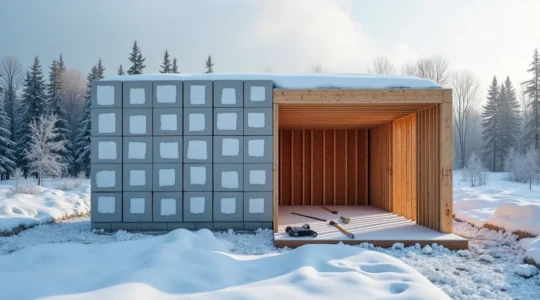
The true key to slashing your heating bills isn’t the R-value printed on insulation, but eliminating the hidden energy leaks in your home’s structure. Wood framing’s “thermal bridges” (the studs themselves) can sabotage your insulation’s performance, creating cold spots and…
Read more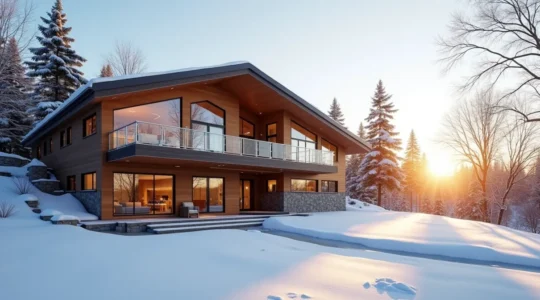
Fighting winter darkness is less about the size of your windows and more about the intelligence of your home’s entire engineered system. A high-performance thermal envelope is the non-negotiable foundation that allows for expansive, light-gathering glass without compromising comfort. Strategic…
Read more
Feeling the sting of high hydro bills is a symptom of a passive relationship with the grid; the solution is to turn your home into an active, intelligent energy partner. Actively shifting heavy appliance use to off-peak hours using smart…
Read more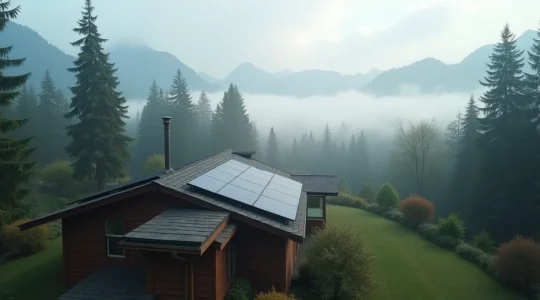
A simple payback calculation for solar panels in British Columbia is dangerously misleading; a true ROI analysis must factor in volatile grant programs, significant net-metering advantages, and long-term system resilience. The financial return isn’t just about bill savings; it’s a…
Read more