
Canada’s cultural landscape offers an extraordinary tapestry of experiences, from Indigenous traditions spanning millennia to cutting-edge digital art installations. Whether you’re skating on a historic canal in winter, attending your first Powwow, or navigating the crowds at a major music festival, engaging meaningfully with culture and leisure in this country requires both curiosity and respect. The sheer diversity of experiences—shaped by geography, climate, and the intersection of multiple cultural communities—can feel overwhelming for newcomers and seasoned participants alike.
This comprehensive resource connects the fundamental aspects of Canadian cultural participation, from understanding essential Indigenous protocols to making the most of winter recreation opportunities. You’ll discover practical approaches to supporting local art scenes, navigating large-scale events, preserving heritage, and embracing technology in creative spaces. Each section provides the foundational knowledge you need to participate confidently and respectfully in Canada’s rich cultural life.
Indigenous cultures form the foundational layer of Canadian heritage, yet many people feel uncertain about how to engage respectfully with these living traditions. Understanding basic protocols isn’t about memorizing rules—it’s about recognizing that Indigenous communities have sophisticated cultural systems that predate colonial contact by thousands of years.
Attending a Powwow represents one of the most accessible entry points to Indigenous culture, but it requires preparation. These gatherings are community celebrations with specific etiquette: certain dances are participatory while others are ceremonial and reserved for specific groups. Tobacco offerings play a significant role in many Indigenous protocols, used when asking for teachings or permission. Knowing when and how to offer tobacco—typically in a small pouch or loose—demonstrates respect for traditional practices.
Land acknowledgments have become increasingly common at Canadian events, but their value lies in genuine understanding rather than rote recitation. An effective acknowledgment names the specific nations whose territory you occupy and reflects on the ongoing relationship between Indigenous and non-Indigenous peoples. Pronouncing place names correctly—whether it’s “Tkwa̱lkwa̱lx” or “Anishinaabe”—requires effort but honors the languages that shaped this land.
The market for Indigenous art faces significant challenges with fraudulent reproductions and cultural appropriation. Authentic Indigenous art comes with provenance: the artist’s name, their nation, and often a story about the work’s significance. Organizations like the Indian Art Centre and provincial Indigenous art associations maintain registries of authentic artists. When you see design principles like formline in Northwest Coast art or floral beadwork patterns from Eastern Woodlands traditions, understanding their cultural context transforms appreciation from aesthetic enjoyment to cultural respect.
From multi-day winter celebrations to summer music festivals drawing hundreds of thousands, Canada’s festival culture operates year-round despite the challenging climate. Successfully navigating these events—especially as a local rather than a tourist—requires insider knowledge that goes beyond published schedules.
Sold-out events aren’t necessarily inaccessible. Volunteer programs at major festivals often provide free entry in exchange for shifts at information booths, merchandise tables, or crowd management positions. Applications typically open months in advance, and desirable shifts disappear quickly. For expensive events, this approach can save several hundred dollars while providing behind-the-scenes perspectives.
Understanding ticketing strategies matters: presales through artist fan clubs, credit card partnerships, or venue memberships often provide access before general public sales. Secondary markets exist, but prices fluctuate dramatically—they typically drop as the event approaches and sellers become desperate to recoup costs.
Quebec City’s Festival d’été and similar multi-day summer events create unique challenges. The key isn’t attending every performance—it’s strategic selection based on your priorities combined with discovering off-program events in surrounding venues capitalizing on the influx of visitors. Local restaurants, bars, and galleries host pop-up performances and exhibitions that often feel more intimate than main stage productions.
Winter festivals demand different preparation. Surviving outdoor events when temperatures plunge below -20°C requires understanding layering for high-output activities. Unlike static winter activities, festival-going involves alternating between standing still during performances and walking between venues. This requires a flexible layering system: a moisture-wicking base layer, insulating mid-layer, and a shell you can remove and carry when moving. Hand and foot warmers become essential after the first hour outdoors.
Canada’s local art scenes exist in every community, from major urban galleries to rural artist cooperatives. Supporting these ecosystems doesn’t require wealth—it requires understanding the various access points and how the art market functions at different price levels.
Art rental programs, operated by many public galleries and artist-run centers, allow you to display original works in your home for monthly fees ranging from $20 to $100. These programs serve dual purposes: making art accessible while providing artists with rental income and exposure. After renting a piece for several months, many programs offer purchase options with rental fees credited toward the sale price.
Gallery openings provide free access to art spaces and direct artist interaction, but many people avoid them due to social anxiety. The secret is that most attendees feel equally awkward. Arriving during the middle hour of a three-hour opening means the space is populated but not packed. Asking artists about their process rather than interpretation (“How did you achieve this texture?” versus “What does this mean?”) typically generates more engaging conversations.
Emerging artists—those early in their careers before major institutional recognition—offer the most accessible price points. Indicators of future success include acceptance into competitive residencies, representation by established galleries, and features in respected art publications. Graduating classes from major Canadian art schools (NSCAD, OCAD University, Emily Carr) provide annual opportunities to see new work at degree shows.
Proper framing isn’t just aesthetic—it’s preservation. Archival materials (acid-free mats, UV-protective glass) prevent degradation that can destroy value within decades. While professional framing seems expensive initially, it costs far less than restoration or replacement. For works on paper, the frame often costs more than the artwork itself, but this investment protects against fading, foxing, and environmental damage.
The long Canadian winter, spanning five to six months in many regions, demands active engagement rather than hibernation. Communities have developed rich traditions around winter recreation, but safety and proper preparation separate enjoyable experiences from dangerous ones.
The rent-versus-buy decision for winter gear depends on commitment level and storage capacity. Rental programs at outdoor equipment cooperatives (MEC, community centers) allow you to test activities before investing. Skates, cross-country skis, and snowshoes all require specific fitting and technique—discovering through rental that you prefer fat biking to snowshoeing saves hundreds in unused equipment purchases.
For committed participants, buying used equipment through end-of-season sales or community swap events provides 50-70% savings compared to retail. The exception is helmets and safety equipment, where unknown history makes used purchases risky.
Common winter injuries—ankle sprains from icy conditions, frostbite, and overexertion in cold air—are largely preventable with proper preparation. Layering for high-output activities means dressing so you’re slightly cool when starting, knowing your body heat will rise. Overdressing leads to sweating, which dramatically increases heat loss when you stop moving.
Free community rinks exist throughout Canadian municipalities, maintained by local recreation departments or neighborhood volunteers. These spaces provide accessible skating without admission fees, though quality varies with maintenance budgets and weather. Natural ice on community rinks typically offers better conditions than refrigerated rinks during cold snaps, creating faster, harder surfaces preferred by experienced skaters.
Canada’s approach to heritage preservation balances celebration with confronting difficult histories. From UNESCO World Heritage Sites to community museums, these institutions increasingly use technology and community partnerships to make history accessible and relevant.
Historical sites addressing residential schools, internment camps, or immigration detention centers require emotional preparation that traditional museum visits don’t. These spaces intentionally create discomfort to honor difficult truths. Visiting with time for processing afterward—scheduling a quiet meal or walk rather than rushing to another activity—shows respect for the weight of these histories.
Many sites now offer content warnings and alternative routes for visitors who find certain exhibits too triggering. Using these options isn’t weakness—it’s self-awareness that allows meaningful engagement at your own pace.
Museums increasingly incorporate immersive technology experiences—virtual reality reconstructions of historical events, augmented reality overlays on artifacts, and interactive digital archives. These experiences often carry premium pricing, sometimes doubling standard admission costs. Budgeting for these enhanced experiences means understanding what they offer: some provide genuinely new perspectives impossible through traditional exhibits, while others apply technology superficially.
Digital preservation of oral histories allows communities to capture elder knowledge before it’s lost. Many cultural organizations and libraries provide free training and equipment for families wanting to record their own histories. The technical quality matters less than capturing the stories—a smartphone recording is infinitely more valuable than no recording at all.
Virtual and augmented reality technologies are transforming how Canadians create and experience culture, while also raising urgent questions about protecting creative work in the digital age.
No-code platforms for creating VR and AR experiences have democratized immersive art creation. Tools like Mozilla Hubs, Spatial, and CoSpaces allow artists without programming backgrounds to build virtual galleries, 3D storytelling environments, and interactive installations. This accessibility is particularly significant for Indigenous artists using these platforms to share traditional stories in new formats that reach global audiences while maintaining cultural control.
Experiencing Indigenous storytelling through VR provides perspectives impossible through text or even video—standing in a digitally recreated longhouse during a creation story, or witnessing seasonal changes on traditional territories. These experiences complement rather than replace in-person cultural participation, offering access when geography or mobility creates barriers.
The challenge of model scraping—where AI systems train on artists’ work without permission or compensation—has become urgent for Canadian creative communities. Visual artists, writers, and musicians face having their styles and content absorbed into commercial AI systems that then compete with their work. Organizations like CARFAC (Canadian Artists’ Representation) advocate for legal protections, while individual artists explore technical solutions like style poisoning and metadata embedding to make their work less usable for training datasets.
This tension between technological innovation and creator protection will shape the next decade of cultural production. Staying informed about these developments helps you support policies and practices that sustain the creative communities enriching Canadian culture.
Cultural participation in Canada rewards curiosity tempered with respect. Whether you’re learning to pronounce Indigenous place names correctly, volunteering at a festival to access sold-out performances, or exploring heritage sites that challenge comfortable narratives, each experience builds your understanding of this complex cultural landscape. The depth of engagement you choose—from casual participation to serious collecting or creation—matters less than approaching each opportunity with openness to learning.
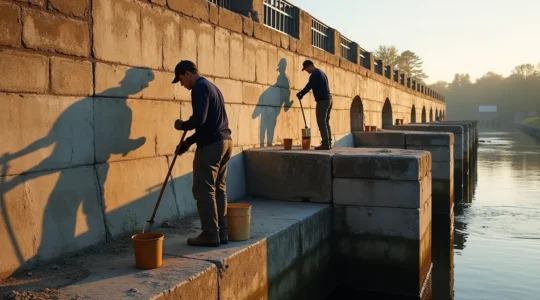
A UNESCO designation isn’t just an honour; it’s an engineering contract with the past that transforms every repair into a complex, high-stakes negotiation between centuries. Preservation requires using historically accurate materials and techniques, which are often less durable and far…
Read more
The secret to experiencing Quebec City’s festival season isn’t the expensive main stage pass, but mastering the art of the “off-grid” experience. Strategic use of park-and-ride shuttles beats the stress and cost of downtown parking. The most memorable performances are…
Read more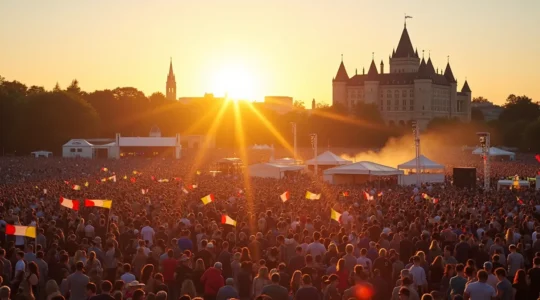
Sharing a Festival d’été de Québec (FEQ) pass is technically forbidden, but maximizing its value when you can’t attend all 11 days is entirely possible by understanding the festival’s core systems. The RFID wristband has anti-transfer measures; a red light…
Read more
In summary: The key to enjoying winter skiing is not skill, but “comfort engineering”—mastering your warmth and preventing failure points before they happen. Start your ski slightly cold. Aggressive layering leads to sweat, which is the primary cause of getting…
Read more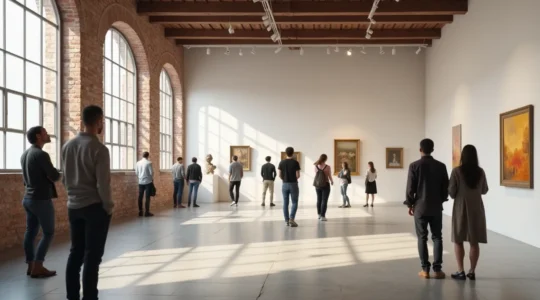
You’re ready to graduate from mass-produced prints to meaningful, original art, but the art world feels intimidating and expensive. The secret isn’t about finding a hidden bargain; it’s about becoming a savvy and ethical collector. This guide provides the insider’s…
Read more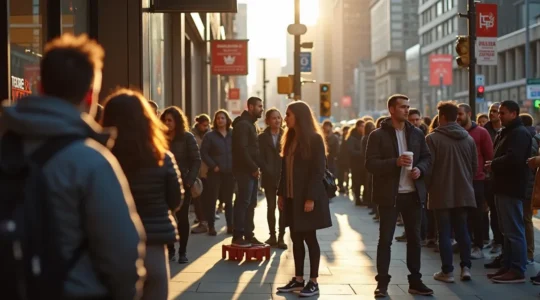
The most authentic Canadian festival experiences are found beyond the official ticket, using local knowledge to access sold-out shows and high-value entertainment. Strategic timing in “rush lines” and targeting off-peak screenings unlocks access to premier events like TIFF. Leveraging local…
Read more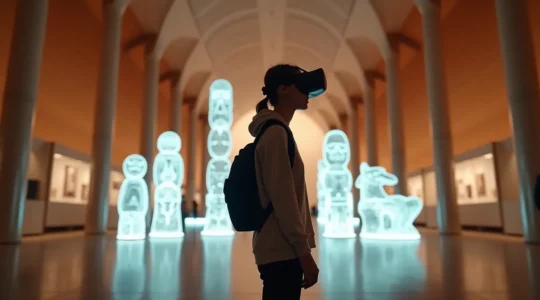
Virtual Reality isn’t just about seeing Canadian museums from afar; it’s about unlocking a hidden layer of stories and context that brings artifacts to life. Modern headsets like the Meta Quest 3 make these experiences accessible and cost-effective compared to…
Read more