
Authenticity in Inuit art is determined by its verifiable provenance chain, not just its appearance or material.
- Your most critical due diligence involves verifying the source (Arctic co-op or licensed gallery) and the Igloo Tag trademark.
- Understanding the economic model behind the sale is key to ensuring your purchase directly and fairly compensates the artist.
Recommendation: Prioritize purchasing from sources with a direct link to the artist’s community, making economic sovereignty the cornerstone of your collection strategy.
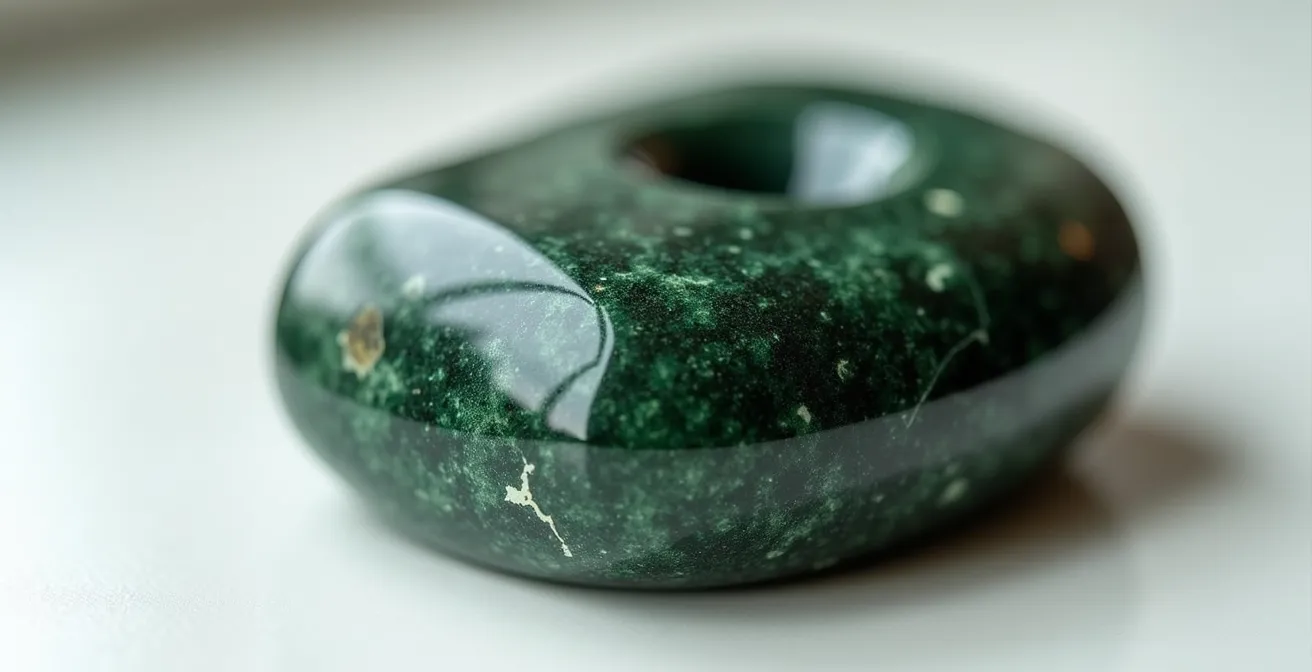
The weight of a polished stone carving in your hands is substantial. Its cool surface tells a story of artistry, culture, and a connection to the Canadian Arctic. For many collectors and tourists, the desire to own a piece of this story is powerful, but it’s often shadowed by a nagging anxiety: Is this piece genuine? How can I be sure my purchase supports the artist and their community, rather than a factory producing mass-market imitations?
Common advice often revolves around simple tips like “look for the Igloo Tag” or “buy from a reputable gallery.” While not incorrect, this guidance barely scratches the surface. It treats authenticity as a simple checkbox rather than what it truly is: a complex system of cultural integrity, economic fairness, and verifiable sourcing. Relying on these platitudes alone leaves a buyer vulnerable to sophisticated forgeries and, more importantly, misses the opportunity to make a truly informed and ethical acquisition.
The real key to confidence lies not just in spotting a fake, but in understanding the entire ecosystem that brings an authentic work from an artist’s hands in the North to your home. This guide adopts the perspective of a professional appraiser, moving beyond superficial checks to empower you with a framework for structural vetting. We will explore the guarantees behind official trademarks, the economic impact of your purchasing decisions, and the crucial cultural distinctions you must make. This approach transforms you from a mere buyer into a knowledgeable and ethical participant in the vibrant world of Inuit art.
This comprehensive guide will walk you through the essential checkpoints for acquiring genuine Inuit art with confidence. We will cover everything from verifying authenticity and understanding the market to practical considerations for protecting and respecting your investment.
Summary: A Guide to Ethical Inuit Art Acquisition
- What Does the “Igloo Tag” Guarantee About Your Sculpture?
- How to Ensure the Indigenous Art You Buy Is Authentically Sourced?
- Gallery vs. Co-op: Which Sales Model Returns More Money to the Artist?
- What the “Original Original” Mark Means for Your Travel Budget?
- What Does the “Transformation” Motif Mean in West Coast Indigenous Art?
- How to Ship a 50lb Soapstone Carving Home Without Breaking It?
- Do You Need a Separate Rider to Insure High-Value Indigenous Art?
- How to Obtain Permission to Visit Protected Indigenous Lands in BC?
What Does the “Igloo Tag” Guarantee About Your Sculpture?
The iconic “Igloo Tag” is more than just a sticker; it is a federally registered trademark that serves as the primary symbol of authenticity for Inuit art in Canada. Managed by the Inuit Art Foundation (IAF), its presence certifies that the artwork was created by an Inuk artist. This certification is the first and most crucial step in your structural vetting process. It provides a baseline guarantee that separates a genuine piece from the vast market of knock-offs often produced overseas and falsely marketed as “Eskimo” or “Arctic-style” art.
The tag’s importance extends beyond simple authentication. It adds quantifiable economic value to the piece, directly benefiting the artist and their community. A 2016 survey confirmed the tangible impact of this certification, finding that the tag added significant value to artworks. This demonstrates that the Igloo Tag is not just a symbol, but a vital tool for ensuring artists are fairly compensated for their unique cultural and creative labour.
However, the existence of this tag has inevitably led to counterfeits. As a discerning buyer, you must not only look for the tag but actively verify it. This involves examining the material quality of the tag itself, cross-referencing the artist’s details with official databases, and comparing it to known examples. Treating this verification as a non-negotiable part of your due diligence is the first principle of ethical acquisition.
This initial checkpoint ensures you are starting your collecting journey on solid ground, with a piece that is verifiably part of Canada’s rich Inuit artistic heritage. According to a 2016 Survey of the Inuit Arts Economy, the Igloo Tag adds an average of $117.23 in value to a carving, reflecting its power in the marketplace.
How to Ensure the Indigenous Art You Buy Is Authentically Sourced?
Beyond the Igloo Tag on the artwork itself, the single most important factor in guaranteeing authenticity is the provenance chain—the path the art takes from the artist to you. Where you buy is as critical as what you buy. A knowledgeable collector understands that the point of sale is a direct reflection of a piece’s legitimacy and the ethical nature of the transaction. Simply put, mass-produced fakes do not come through the same channels as authentic works.
The most direct and reliable source is an Arctic Co-operative. These community-based organizations, located in the artists’ home communities across the North, are the bedrock of the Inuit art economy. Purchasing from a co-op ensures the maximum portion of the sale returns to the artist and supports local infrastructure, from studio space to tool acquisition. It is the most direct form of economic sovereignty you can support as a buyer.
The next tier includes established southern galleries that are members of the Inuit Art Foundation and licensed to use the Igloo Tag. These galleries often have long-standing relationships with specific co-ops and artists, providing a crucial link to the broader Canadian and international markets. Major auction houses with dedicated Inuit art departments and the shops of national museums like Qaumajuq at the Winnipeg Art Gallery (WAG) or the National Gallery of Canada also represent trusted sources. The biggest red flag should be a generic tourist or souvenir shop that lacks specific artist attribution, community information, or an Igloo Tag. These are often outlets for counterfeit or inauthentic “art-like” objects.
Your Checklist for Tracing Provenance: A Trusted Source Hierarchy
- Tier 1 (Direct Source): Arctic Co-operatives. This offers the most direct financial connection to the artists and their communities.
- Tier 2 (Licensed Partner): Inuit Art Foundation (IAF) member galleries. These galleries are vetted and authorized to use the Igloo Tag.
- Tier 3 (Secondary Market): Major Canadian auction houses, such as Waddington’s, which have dedicated Inuit art departments with specialists.
- Tier 4 (Institutional): National museum shops, including Qaumajuq at WAG and the National Gallery of Canada, which have rigorous acquisition policies.
- Red Flag: Any tourist shop or online seller that cannot provide clear artist attribution, community of origin, or an authentic Igloo Tag.
Gallery vs. Co-op: Which Sales Model Returns More Money to the Artist?
Understanding the financial structure of the Inuit art market is a cornerstone of ethical collecting. Your choice of where to purchase a carving directly impacts the artist’s livelihood and the economic sovereignty of their community. The two primary sales models—the northern Arctic Co-operative and the southern commercial gallery—operate on fundamentally different principles, with significant variations in how revenue is distributed.
The Arctic Co-operative model is designed to maximize artist benefit. Within this system, the artist typically receives the largest share of the final sale price, often around 70%. This model is not just transactional; it’s foundational. Co-ops provide artists with essential resources such as studio space, access to tools, and raw materials, fostering a sustainable creative economy within the community. This holistic support system is a powerful force for cultural preservation and local employment.
Case Study: The West Baffin Eskimo Co-operative
Founded in Kinngait (formerly Cape Dorset) in 1959, the West Baffin Eskimo Co-operative became a blueprint for success in the Arctic. By acting as the primary local purchaser of arts and crafts, it created a stable economic base for artists. This model demonstrates how co-operatives provide not just better financial returns—with artists retaining a 70% share of sales revenue—but also create sustainable local economies by providing materials, workspace, and technical training.
In contrast, the southern gallery model typically operates on a consignment basis, with the gallery taking a commission of around 50%. While this means a smaller percentage returns to the artist, reputable galleries provide significant value in return. They invest in marketing, promotion, and building an artist’s reputation, connecting their work with a wider and often more affluent market. For an established artist, a partnership with a prominent gallery can lead to higher sale prices and greater exposure, which can be strategically beneficial. A third model, direct-to-consumer sales via social media, offers 100% of the revenue to the artist but lacks the infrastructure, marketing, and logistical support of the other channels.
The following table, based on data from the Canadian art market, breaks down the typical financial returns for a piece with a retail price of $1,000.
| Sales Model | Artist’s Share | Example ($1,000 carving) | Additional Benefits |
|---|---|---|---|
| Arctic Co-operative | 70% | $700 to artist | Studio space, tools, community support |
| Southern Gallery | 50% | $500 to artist | Wider market reach, professional promotion |
| Direct Social Media | 100% | $1,000 to artist | Full control but no infrastructure support |
What the “Original Original” Mark Means for Your Travel Budget?
For new collectors, a common misconception is that “authentic” is synonymous with “expensive.” The term “Original Original,” while not a formal trademark, captures a key concept in the Inuit art market: true authenticity is available across a wide spectrum of price points. A small, beautifully executed print or carving from a recognized artist is just as “original” as a monumental sculpture by a deceased master. Understanding these tiers is essential for aligning your travel budget with your collecting ambitions without ever compromising on ethics or authenticity.
The market can be broadly categorized into four tiers. At the highest end are masterworks, typically pieces by renowned, often deceased, artists like Karoo Ashevak, which command prices upwards of $10,000 and offer the highest potential for appreciation. Below this are works by established contemporary artists, usually sold through major galleries, which represent a strong growth area for serious collectors. However, the most accessible and arguably most important tier for ethical collecting is the range of small co-op carvings and original prints. These pieces offer the best entry point for a new collector, providing guaranteed authenticity at a reasonable price point while contributing directly to the art-making economy of the North.
This principle is best summarized by a core tenet of the Canadian Inuit art market:
A small, perfectly executed $400 carving from a known artist bought from a co-op is a far better and more ethical investment than a large, crude $400 carving of dubious origin from a tourist shop.
– Industry best practice, Canadian Inuit Art Market Guidelines
This advice underscores the importance of prioritizing quality and provenance over sheer size or perceived complexity. For a traveller, this means that a meaningful and valuable piece of art is well within reach. Limited edition prints from famed studios like those in Kinngait, for example, offer affordable access to works by celebrated artists. The key is to allocate your budget towards verifiable quality, no matter the scale.
| Price Tier | Type | Examples | Investment Value |
|---|---|---|---|
| $$$$ (Over $10,000) | Masterworks | Deceased masters like Karoo Ashevak | Highest appreciation |
| $$$ ($2,000-$10,000) | Established Contemporary | Gallery pieces by known artists | Strong growth potential |
| $$ ($400-$2,000) | Small Co-op Carvings | Authentic pieces from community co-ops | Best entry point |
| $ (Under $400) | Original Prints | Limited editions from Kinngait Studios | Affordable authenticity |
What Does the “Transformation” Motif Mean in West Coast Indigenous Art?
As an appraiser, one of the most common points of confusion I encounter among new collectors is the conflation of different Indigenous art styles across Canada. A buyer might admire a carving with a “transformation” theme and mistakenly associate it with Inuit art. However, the transformation motif—depicting a being in the process of changing between human and animal form—is a hallmark of Northwest Coast (NWC) First Nations art, not Inuit art. Understanding this distinction is a mark of a knowledgeable collector and is fundamental to appreciating the unique cultural context of the piece you are acquiring.
This “cultural crossover” in a buyer’s mind is understandable, as both traditions feature powerful spiritual and mythological themes. Yet, their artistic languages are profoundly different. NWC art, from nations like the Haida, Kwakwaka’wakw, and Tsimshian in British Columbia, is characterized by the use of formline design—a system of continuous, flowing lines and prescribed shapes (ovoids, U-forms). It is often executed in materials like cedar and argillite. Inuit art, conversely, tends to be more naturalistic and narrative, depicting scenes of daily life, shamanic journeys, and Arctic animals in a fully three-dimensional form, primarily using stone like soapstone and serpentine.
The distinction is not merely academic; it is a matter of respecting deep-seated cultural identities. Misattributing a style or theme is a form of erasure. For a collector, identifying these key differences is a critical part of due diligence. An authentic Inuit carving will not feature NWC formline design, just as an authentic Haida mask will not be carved from soapstone. A piece that blends these distinct traditions is almost certainly an inauthentic tourist-market fabrication. The ability to perform this basic regional style identification is therefore another layer of your structural vetting process.
An analysis of Canadian Indigenous art forms highlights these clear regional distinctions in material, style, and theme. Use the following points to guide your eye:
- Material: NWC art heavily features wood (cedar) and argillite. Inuit art is predominantly stone (serpentine, soapstone) and bone/ivory.
- Design System: NWC art is defined by its two-dimensional formline system. Inuit carving is typically fully three-dimensional and less stylistically constrained.
- Geography: NWC art originates from the Pacific coast of British Columbia, while Inuit art comes from the Arctic regions of Canada (Inuit Nunangat).
- Core Themes: While both are spiritual, NWC art often focuses on lineage, crests, and transformation masks. Inuit art frequently explores shamanism, hunting, and the relationship between humans and animals in the Arctic environment.
How to Ship a 50lb Soapstone Carving Home Without Breaking It?
You’ve completed your due diligence and acquired a significant, authentic soapstone carving. Now you face a new challenge: how to transport this heavy, fragile investment home safely. A 50-pound stone sculpture is not something you can simply wrap in a sweater and place in your checked luggage. Improper packing is one of the leading causes of damage to Inuit art, from minor scratches to catastrophic breaks. Protecting your investment requires a professional packing methodology.
The gold standard for shipping stone sculpture is the double-boxing method using a custom-carved foam cradle. The primary mistake amateurs make is using bubble wrap directly on the stone’s surface. While well-intentioned, the plastic can leave permanent marks on a polished or waxed finish. Instead, the piece must first be wrapped in acid-free tissue paper. The core of the protection comes from a custom-fitted cradle carved from high-density Ethafoam, a stable, inert foam that won’t compress or react with the stone.
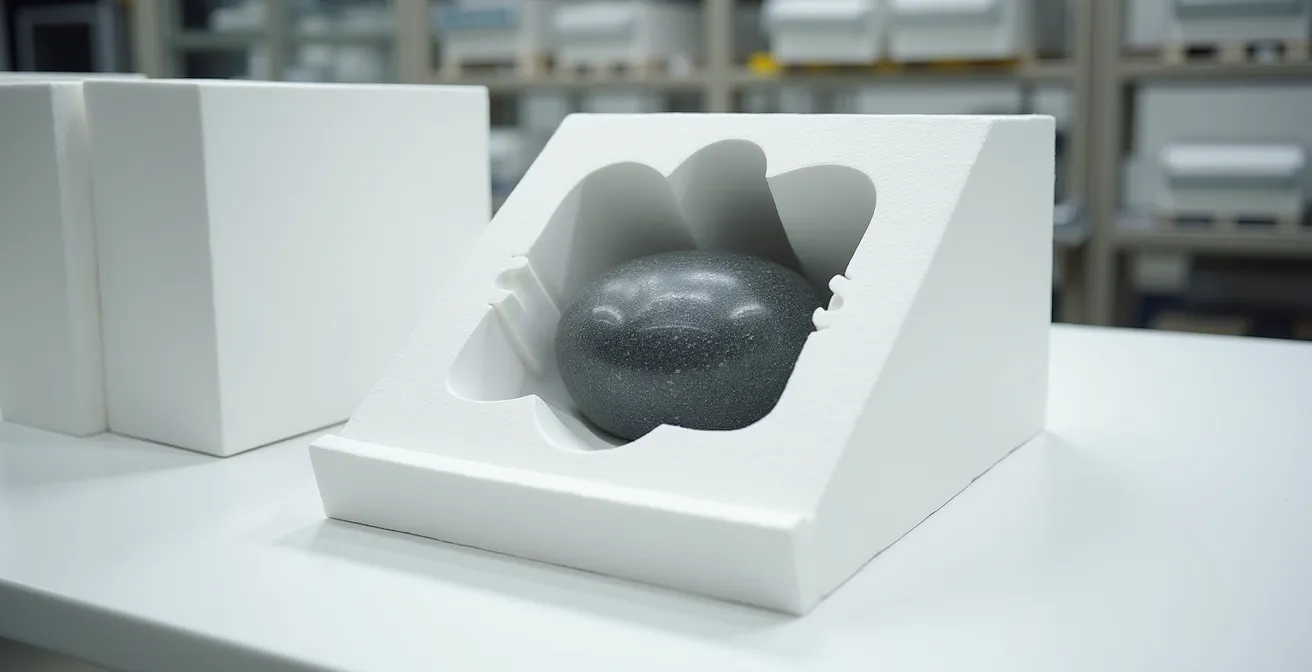
This cradled sculpture is then placed in a sturdy inner box, with at least three inches of clearance on all sides, filled with additional foam blocks or peanuts. This inner box is then “floated” within a larger, outer box using another layer of cushioning. This system ensures that any external shocks are absorbed by the successive layers of packaging, never reaching the sculpture itself. Documenting this process with photographs is also a crucial step for any potential insurance claim. While many reputable galleries will offer professional packing services, understanding the correct method allows you to oversee the process or undertake it yourself with confidence.
The Canadian Conservation Institute provides the following professional protocol for safely packing valuable carvings:
- Initial Wrap: Gently wrap the entire sculpture in acid-free tissue paper to protect its delicate surface finish.
- Create the Cradle: Use high-density Ethafoam blocks to carve a custom cradle that snugly supports the sculpture, paying special attention to fragile or protruding parts. Never use bubble wrap directly on the stone.
- First Box: Place the cradled sculpture inside a sturdy, correctly-sized inner box, ensuring there is a minimum of 3 inches of clearance on all sides.
- Fill Voids: Fill all empty space within the inner box with foam peanuts or additional custom-cut Ethafoam blocks to prevent any movement.
- Second Box: Seal the inner box and place it inside a larger, heavy-duty outer box, using a 2-inch layer of cushioning material (like more foam) on all sides.
- Label Clearly: Mark the outer box prominently with “FRAGILE – ARTWORK” and arrows indicating the correct orientation.
- Document Everything: Take clear photos of each stage of the packing process as proof of proper handling for your insurance records.
Do You Need a Separate Rider to Insure High-Value Indigenous Art?
Once your carving is safely home, the final step in protecting your investment is ensuring it is properly insured. Many collectors incorrectly assume that their standard homeowner’s or renter’s insurance policy will adequately cover their new acquisition. This is a costly mistake. Most standard policies have very low coverage limits for categories like fine art and collectibles, leaving high-value pieces dangerously underinsured in the event of theft, damage, or loss.
The reality is that most Canadian homeowner’s insurance policies have a low coverage ceiling for art and collectibles, often capping single-item reimbursement at just $2,000 to $5,000. If your carving is valued above this threshold, you are personally liable for the remaining value. For any significant piece of Indigenous art, relying on a standard policy is simply not sufficient.
The correct solution is to add a “Personal Articles Floater” or a separate fine art rider to your existing policy. This specialized coverage insures the piece for its full appraised value and typically offers “all-risk” protection, which can include accidental breakage and even “mysterious disappearance.” To secure this coverage, you will need to provide your insurer with formal documentation, most importantly a professional appraisal from a certified appraiser. This appraisal establishes the replacement value of the artwork and forms the basis of your insurance agreement. Remember that art markets fluctuate, so appraisals should be updated every three to five years to ensure your coverage keeps pace with the work’s current value.
Action Plan: Insuring Your Inuit Art Collection
- Document the Piece: Take high-resolution photographs of the artwork from multiple angles, including any signatures or markings.
- Obtain a Professional Appraisal: Commission a formal appraisal from an appraiser certified by the Art Dealers Association of Canada (ADAC).
- Request a Quote: Contact your insurance provider and ask for a quote for a “Personal Articles Floater” or fine art rider based on the appraised value.
- Verify Coverage Details: Ensure the policy offers “all-risk” protection, including coverage for mysterious disappearance and accidental damage.
- Schedule Updates: Set a reminder to have the appraisal updated every 3-5 years to reflect changes in the art market and maintain adequate coverage.
- Secure Your Records: Store digital copies of all documentation—receipts, the Igloo Tag, photos, and appraisals—in a secure cloud-based backup.
Key Takeaways
- Provenance is Paramount: The most reliable indicator of authenticity is the source. Prioritize Arctic co-ops and IAF-member galleries over all other channels.
- Ethics are Economic: Your choice of where to buy directly impacts the artist’s income. The co-op model provides the highest return to the artist and community.
- Know Your Regions: Learn to distinguish the distinct styles, materials, and themes of Inuit art from other Indigenous art forms, like those of the Northwest Coast.
How to Obtain Permission to Visit Protected Indigenous Lands in BC?
The journey of appreciating Indigenous art can evolve from collecting objects to desiring a deeper connection with the cultures and lands where the art originates. This final consideration is one of profound respect. While the title specifically asks about British Columbia, it’s vital to distinguish between protocols for visiting First Nations territories in BC and those for visiting Inuit Nunangat, the Inuit homeland in the Arctic. These are not interchangeable tourist destinations; they are sovereign lands and living communities, and access is governed by distinct protocols.
In British Columbia, many First Nations territories, such as the Haida Nation on Haida Gwaii, have their own governments and land management departments. To visit protected or culturally sensitive areas, the first step is to consult the specific Nation’s official government website or administrative office. Organizations like Indigenous Tourism BC are invaluable resources that provide guidance on protocols and connect visitors with local Indigenous guides and businesses who are authorized to lead tours.
Visiting Inuit Nunangat—a vast territory that, according to data on its geographic scope, encompasses 35% of Canada’s landmass and 50% of its coastline—requires a different approach. Travel is typically arranged through licensed tour operators who have established relationships with the local hamlet councils and Hunters and Trappers Organizations (HTOs). Independent travel without local guidance is often impractical and discouraged. The key in both regions is the same: hire local Indigenous guides. This is not only the most respectful path but also the most enriching, providing authentic insight while ensuring your visit directly benefits the community.
The fundamental principle is to shift your mindset from that of a tourist to that of a guest. This involves researching protocols in advance, listening more than speaking, and understanding that you are entering a place that is first and foremost a home, not a theme park. This final act of due diligence completes the cycle of ethical engagement—from respecting the art object to respecting its source.
The next step is to apply this framework of due diligence to your own collecting journey, ensuring every acquisition is one of respect and integrity.